
Educational Approach
École Boréale provides education from Prekindergarten through Grade 12, delivered by a dynamic and dedicated staff committed to the success of every student.
Pre-kindergarten
Children aged 3 and older are eligible to attend the Prekindergarten program at École Boréale.
Located within the school and accessible to all families, the Prekindergarten program provides children with the opportunity to learn, play, and grow in a French-language environment.
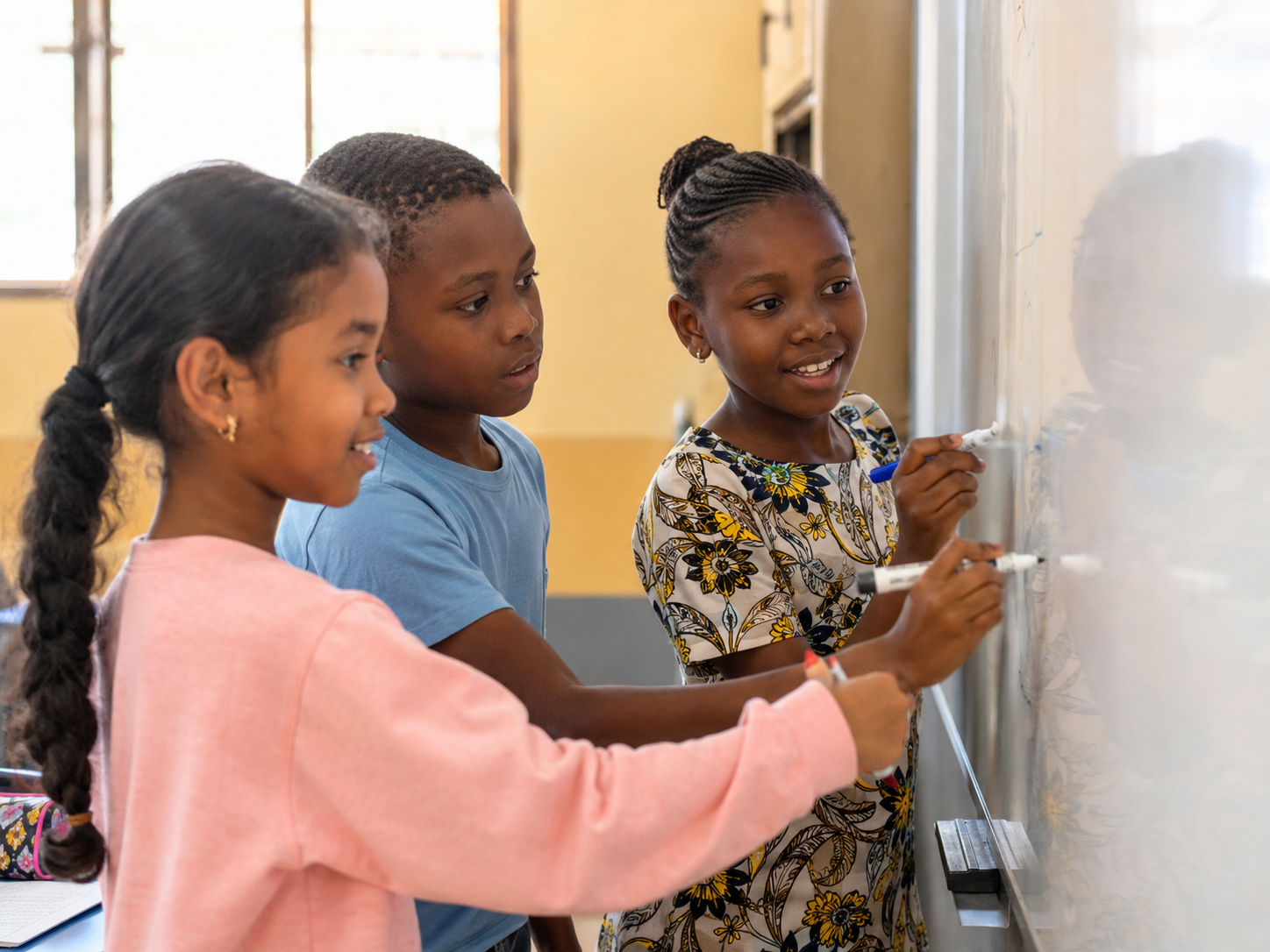
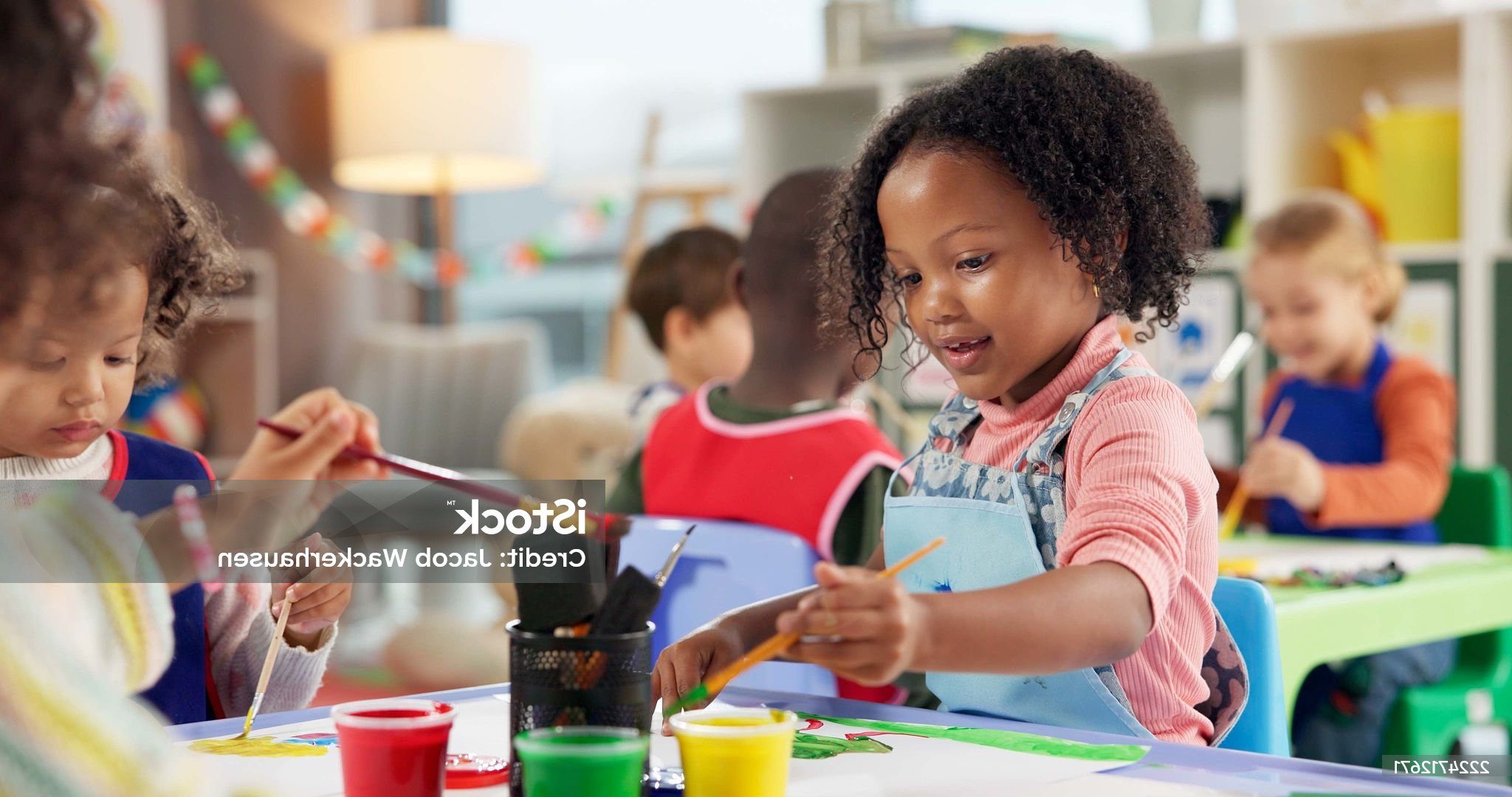
Prekindergarten
Les étoiles filantes
École Boréale
110, avenue Railway, C.P. 576
Ponteix (Saskatchewan)
S0N 1Z0
Téléphone : 306-625-3345
Prekindergarten Level | Schedule |
|---|---|
Prekindergarten (Age 3) | Tuesdays and Thursdays from 8:45 a.m. to 11:50 a.m. |
Prekindergarten (Age 4): | Mondays through Fridays from 8:50 a.m. to 3:20 p.m. School bus transportation is provided for students aged 4 and older. |
- Monthly Fee: Free
- The Prekindergarten program is located within the school and is open to all families. It provides children aged 3 to 5 with the opportunity to learn, plan, and grow in a French-language environment.
Full-time Kindergarten (every weekday)
Children who are 5 years old by December 31 are eligible to enroll in kindergarten at École Boréale.
Kindergarten offers a program based on the Fransaskois Kindergarten Curriculum developed by the Direction de l’éducation française (DEF) (French Education Branch) of Saskatchewan’s Ministry of Education. This program promotes a holistic approach that provides a French-language learning environment rich in Francophone cultural references.
Learning is child-centred. As Baccus states, “For a child, learning is play, and every game teaches something.” Children are actively engaged in their learning. They experience their Francophone identity through interactions with others and the world around them. In doing so, they build knowledge and skills across social and emotional, language, perceptual, physical, cognitive, and spiritual domains.
This approach supports:
- Social and emotional development (understanding, responsibility, and collaboration);
- Perceptual development (perceptions, feelings, personal ideas, and creativity);
- Physical development (the acquisition of fine and gross motor skills);
- Language development (using language as a cultural and identity-building tool, as well as a means of communication, reflection, interaction, creation, and representation);
- Cognitive development (the development of cognitive processes, strategies, and skills that students can apply in new situations).
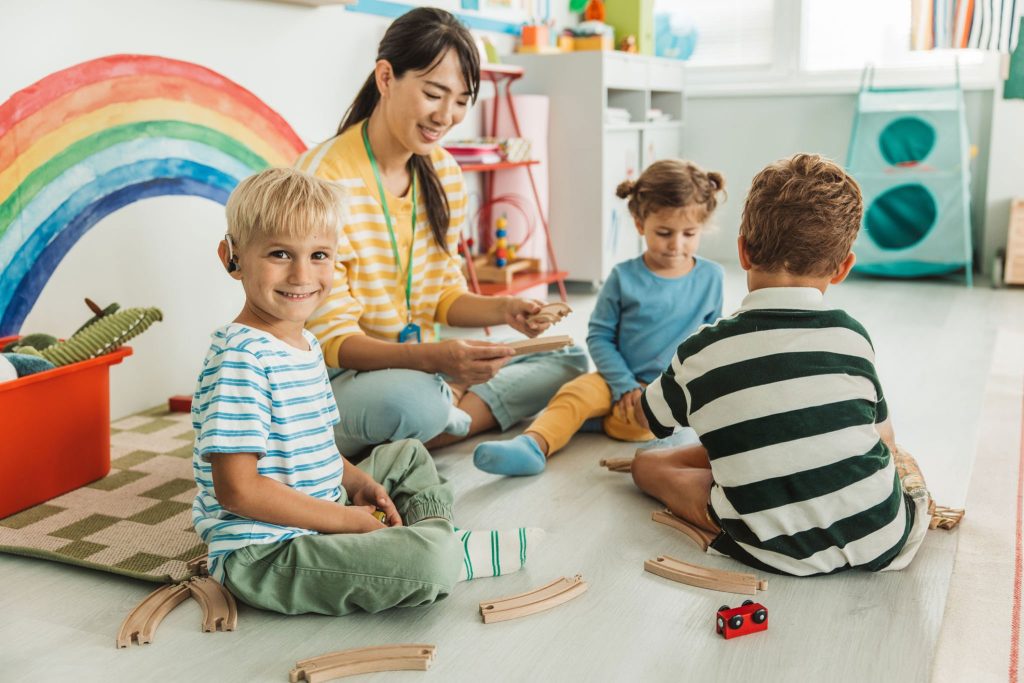
Programming: Grades 1 to 12
In accordance with The Education Act, every child who is older than 6 years of age and younger than 22 years of age on December 31 is entitled to an education appropriate to their age and grade level.
The CÉF adheres to Saskatchewan’s educational goals and delivers the curriculum established by the Saskatchewan Ministry of Education, as outlined in the provincial programs of study. All subjects are taught in French, with the exception of English Language Arts. English instruction begins in Grade 4 and continues through Grade 12, using the same curriculum offered in Saskatchewan’s public and separate schools. With approval from the Ministry, certain courses are adapted to reflect the unique francophone identity and mandate of Fransaskois schools.
A wide range of learning opportunities is available through classroom instruction at the school, complemented by courses delivered through videoconferencing, asynchronous online learning, and Practical and Applied Arts (PAA) courses.

Extracurricular Activities
École Boréale offers an outstanding variety of extracurricular activities for both elementary and high school students. Many additional activities are also available directly at the school, providing students with opportunities to explore their interests, develop new skills, build friendships, and enrich their overall school experience.
- Rendez-vous de la francophonie (Celebration of Francophone culture and the French language)
- Jour du souvenir (Remembrance Day)
- Concert de Noël (Christmas Concert)
- Gala des finissants (Graduation Gala)
- Gala Méritas (Student Achievement Awards Gala)
- Salon du livre (Book Fair)
- Omnium de volleyball (CÉF Provincial Volleyball Tournament)
- Spectacles culturels (Cultural Performances)
- Expo-sciences (Science Fair)
- Journée du droit (Law Day)
- Jeux du CÉF (CÉF Games)
- Journée de ski (Multi-school Ski Day)
Our Student Council operates more like a student club, where all members share an equal role in planning and organizing activities. Rather than having a single student leader, members work collaboratively to bring ideas forward, make decisions together, and contribute to school life at Notre-Dame-des-Vertus School.
The Student Council organizes activities such as:
- Semaine de l’amitié (Friendship Week)
- Hot lunch programs
- New and varied activities each year
- Christmas activities
Funds raised by the Student Council help support a variety of initiatives and activities for both elementary and high school students, enhancing the school experience for all.
- Softball
- Volleyball Tournament
- CÉF Track and Field Meet
- Badminton
- Participation in NESSAC Games:
- Volleyball
- Badminton
- Track and Field
- Basketball
- Journée du droit (Law Day)
- Education week
- Lunch Bistro
- Improvisation
- Dictée des Amériques (Spelling Contest, provincial and national levels)
- Art Gallery
- Secondaire en spectacle (High School Talent Showcase)
- Parlement jeunesse (Youth Parliament)
- Semaine de la francophonie (Francophone Week)
- Flag-raising ceremony
- Winter Festival
- Performances
- Maple Taffy on Snow
- Reading & other activities with seniors at St-Joseph’s Nursing Home (each month)
- Participation in Francofièvre (major provincial Francophone music concert (for Grades 6-12)
- Remembrance Day celebration
Code of Conduct
The Elementary Code of Conduct outlines the expectations and guidelines that help students navigate their daily school life. It promotes a respectful, safe, and caring environment where every student can learn, grow and thrive.